Text to imageProductStyle guide
Hanji lighting study · Blue hour
Hanji lighting study · Blue hour. A study in cobalt and lavender with cool blue-hour light with a soft rim.
Remix this referenceHanji lighting study · Blue hour
- Shape & line
- Preserve clean believable product geometry with a clear silhouette and restrained proportions; avoid ornamental clutter.
- Color & light
- Use cobalt and lavender as the scene palette with cool blue-hour light with a soft rim. Preserve readable subject values and coherent light direction throughout the image.
- Texture & material
- Show translucent glowing paper fibers and subtle handmade paper variation, with convincing soft light diffusion through the shade.
- Composition
- Use a cinematic close framing with readable silhouette, deep background gradients and refined reflection hierarchy; keep the full main object visible.
Priority
Preserve the distinctive construction and medium first, readable spatial hierarchy second, subtle surface details third.
What to avoid & what to check
Avoid extra subjects, inconsistent repeated geometry, hidden key details, crowded overlaps, unwanted text and watermarks.
Check each style rule against the finished image: visible shape construction, color and light, material treatment, and composition. Preserve the exact subject count and scene requirements.
Exact prompt for this example
SUBJECT
Create an original commercial reference image of a contemporary Korean hanji paper table lamp, glowing paper fiber texture, quiet interior. Palette: cobalt and lavender. Lighting: cool blue-hour light with a soft rim. Art direction: cinematic close-up, refined reflections and deep gradients. Adapt the composition naturally to the subject. Clear focal point, convincing material detail, polished finish. No logos, watermark or extra lettering. Square image.

COMPOSITION
Square image of the specified subject, fully inside the frame. Use a cinematic close framing with readable silhouette, deep background gradients and refined reflection hierarchy; keep the full main object visible.

STYLE GUIDE
1. Shape & line
Preserve clean believable product geometry with a clear silhouette and restrained proportions; avoid ornamental clutter.

2. Color & light
Use cobalt and lavender as the scene palette with cool blue-hour light with a soft rim. Preserve readable subject values and coherent light direction throughout the image.

3. Texture & material
Show translucent glowing paper fibers and subtle handmade paper variation, with convincing soft light diffusion through the shade.

4. Composition
Use a cinematic close framing with readable silhouette, deep background gradients and refined reflection hierarchy; keep the full main object visible.

PRIORITY
Preserve the requested identity, count, action, composition and output settings. Apply the style rules within those constraints; a style reference must not replace the subject or layout. Within the style: Preserve the distinctive construction and medium first, readable spatial hierarchy second, subtle surface details third.

AVOID
Avoid extra subjects, inconsistent repeated geometry, hidden key details, crowded overlaps, unwanted text and watermarks.

OUTPUT
One finished square image. No lettering, logos, watermark, border or interface. Preserve the specified subject identity and count.

SELF-CHECK
Check each style rule against the finished image: visible shape construction, color and light, material treatment, and composition. Preserve the exact subject count and scene requirements.
Model information comes from image provenance. The same prompt may produce a different result.
Variations on this reference 6
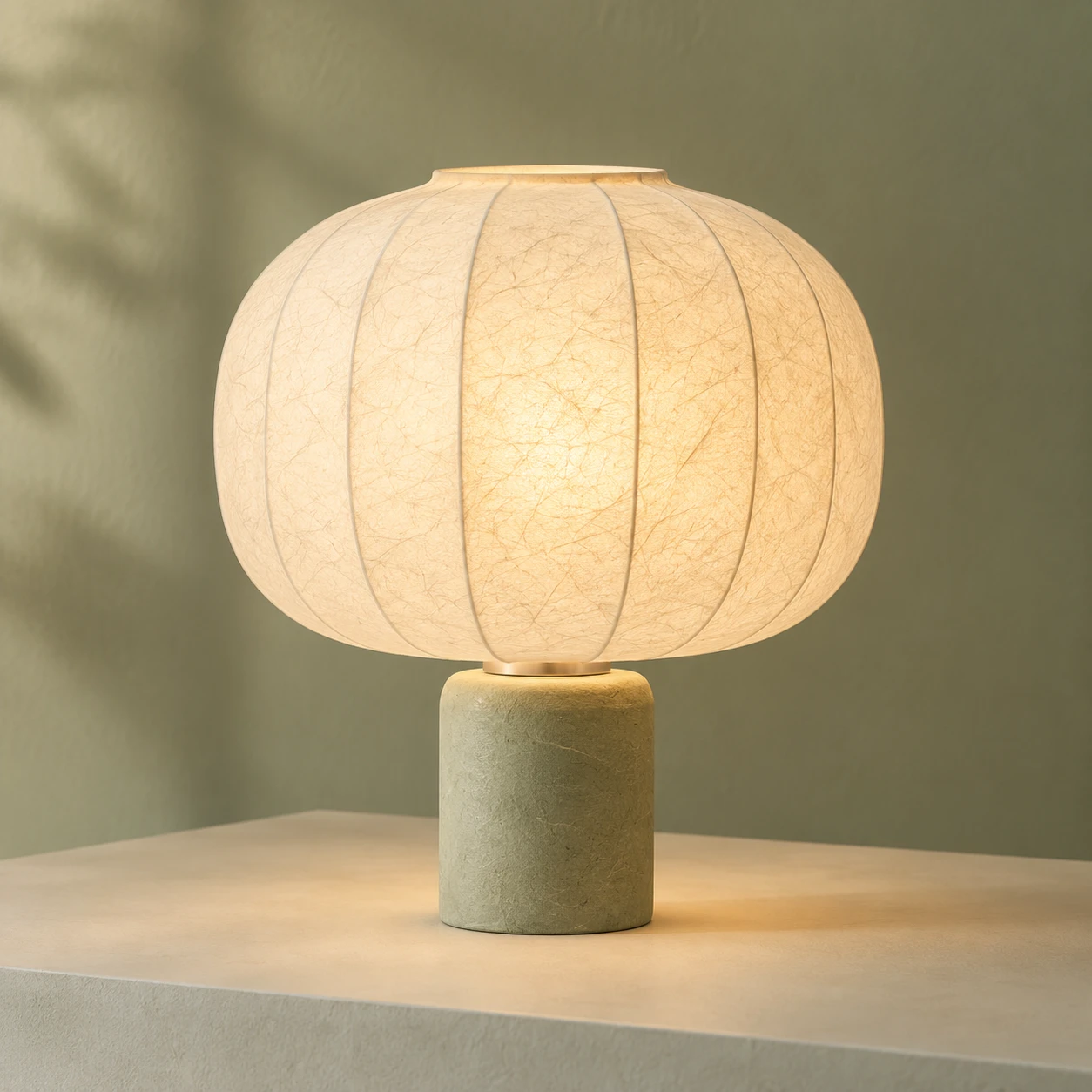 Hanji lighting studyView image & prompt
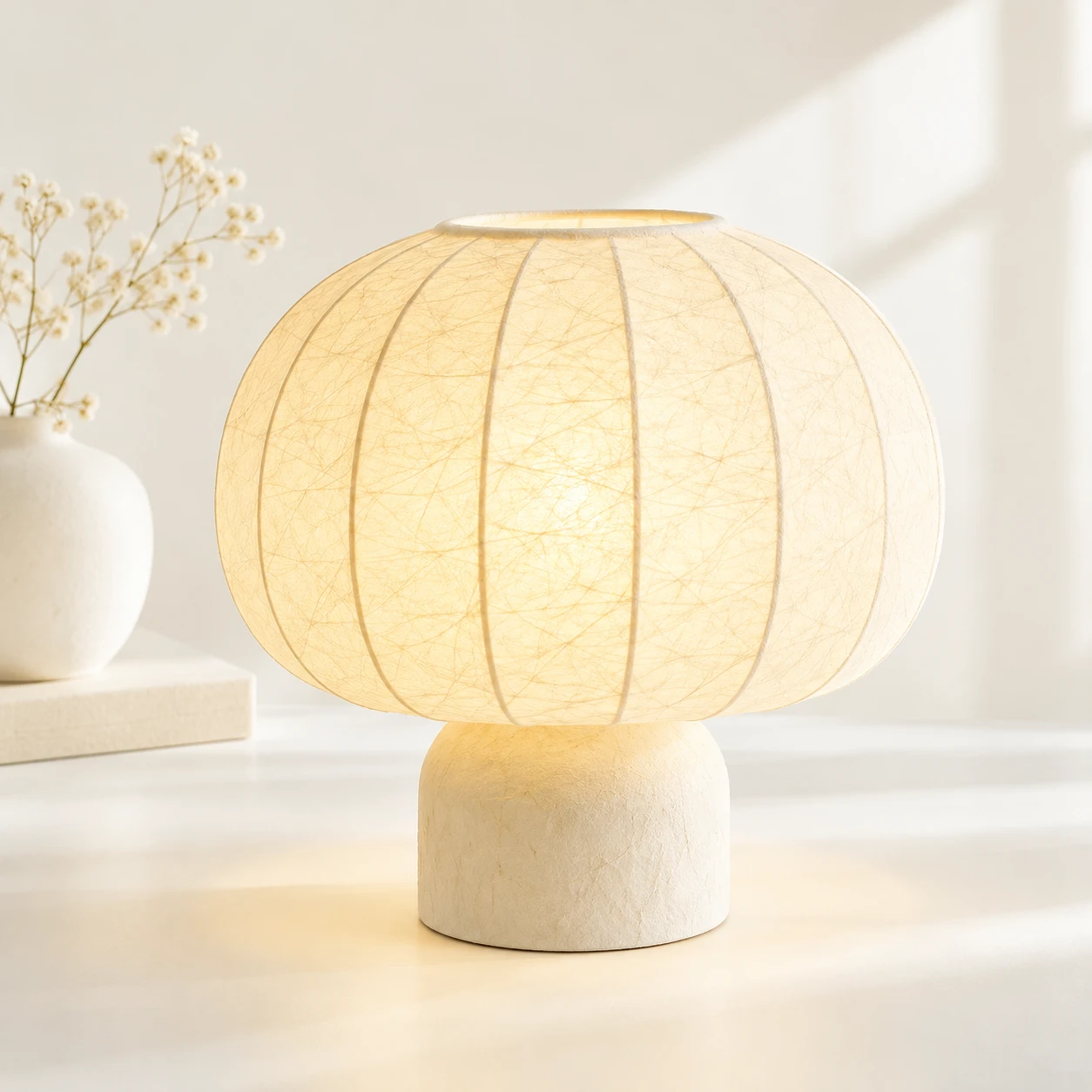 Hanji lighting study · High-key editorialView image & prompt
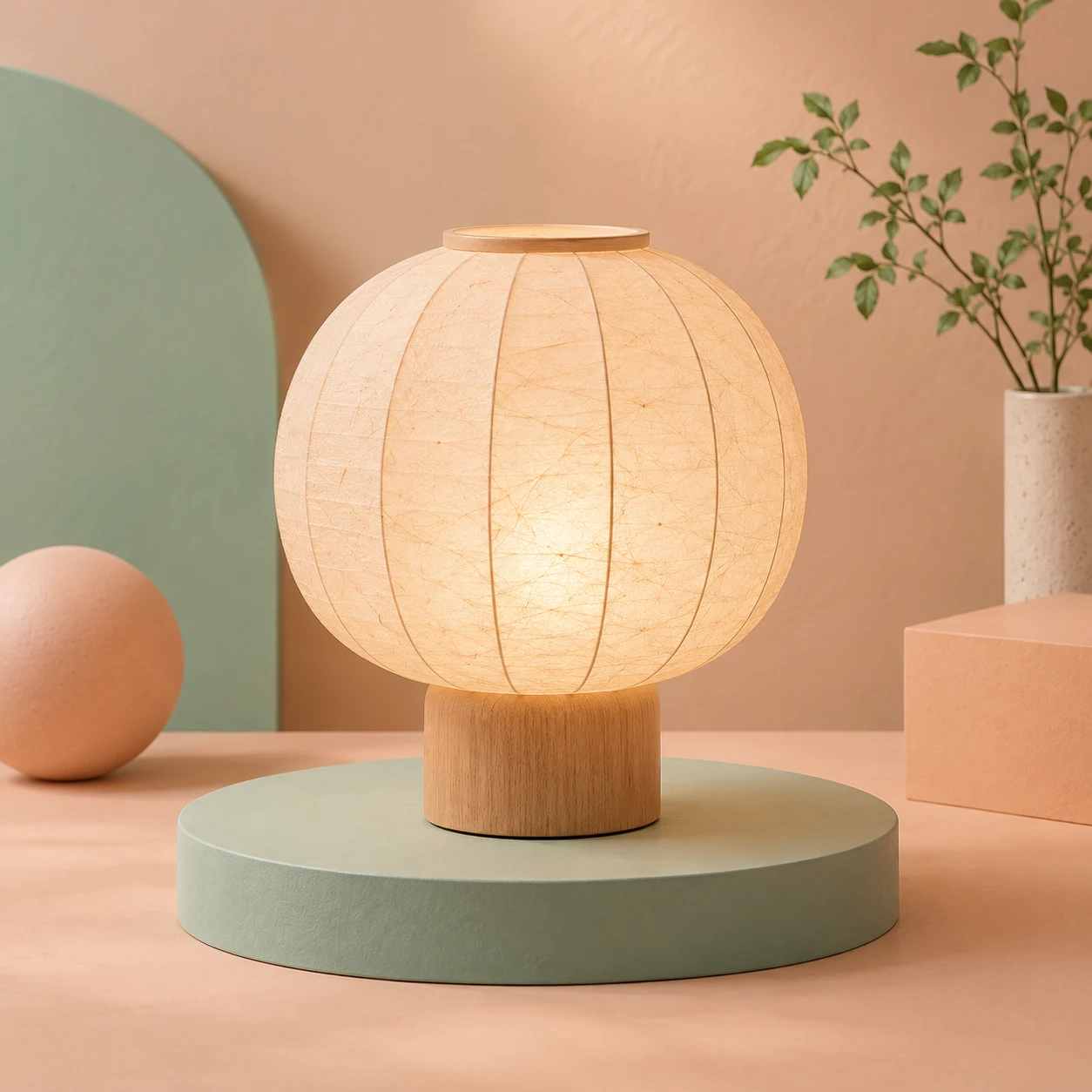 Hanji lighting study · Pastel minimalView image & prompt
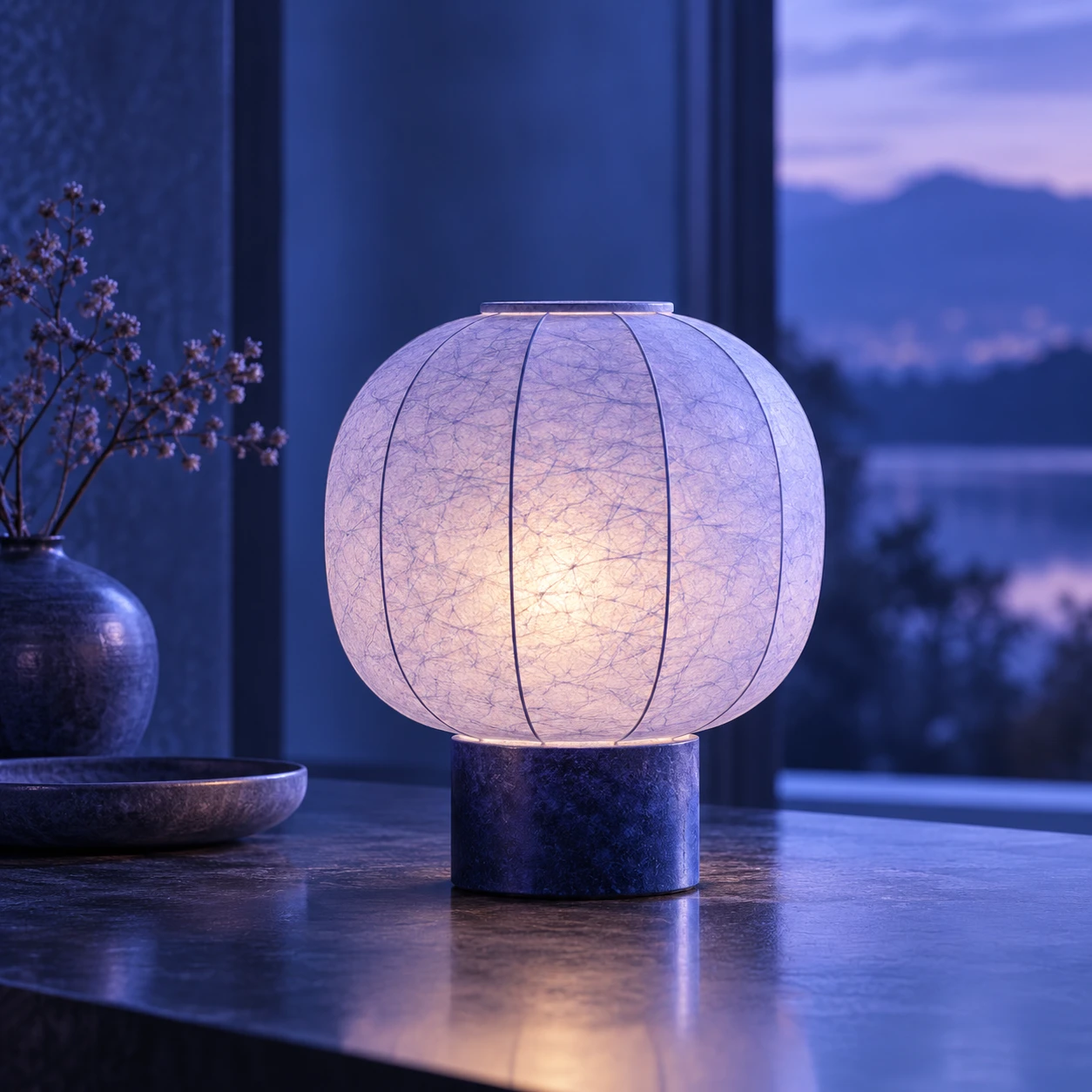 Hanji lighting study · Blue hourCurrent image
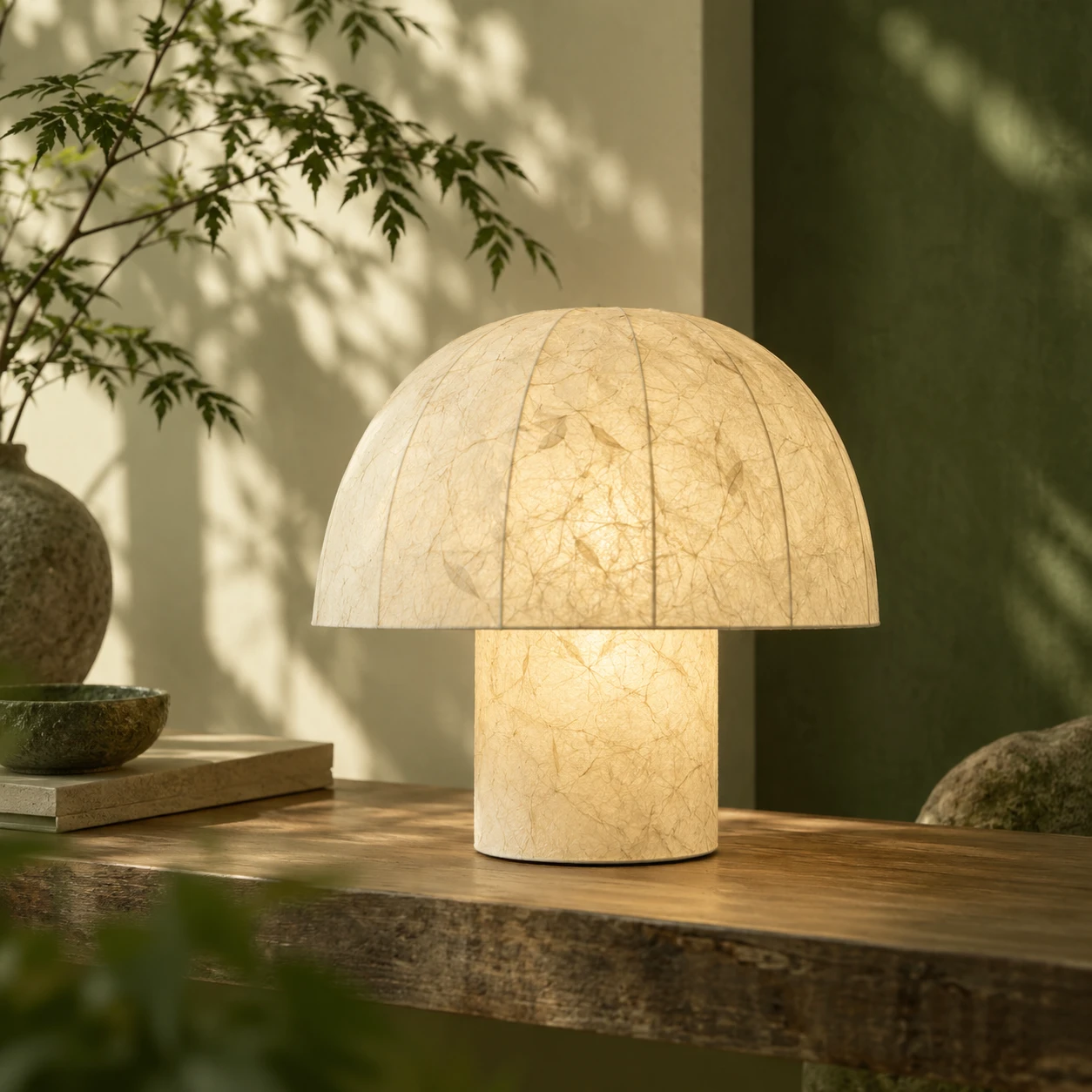 Hanji lighting study · Forest shadowsView image & prompt
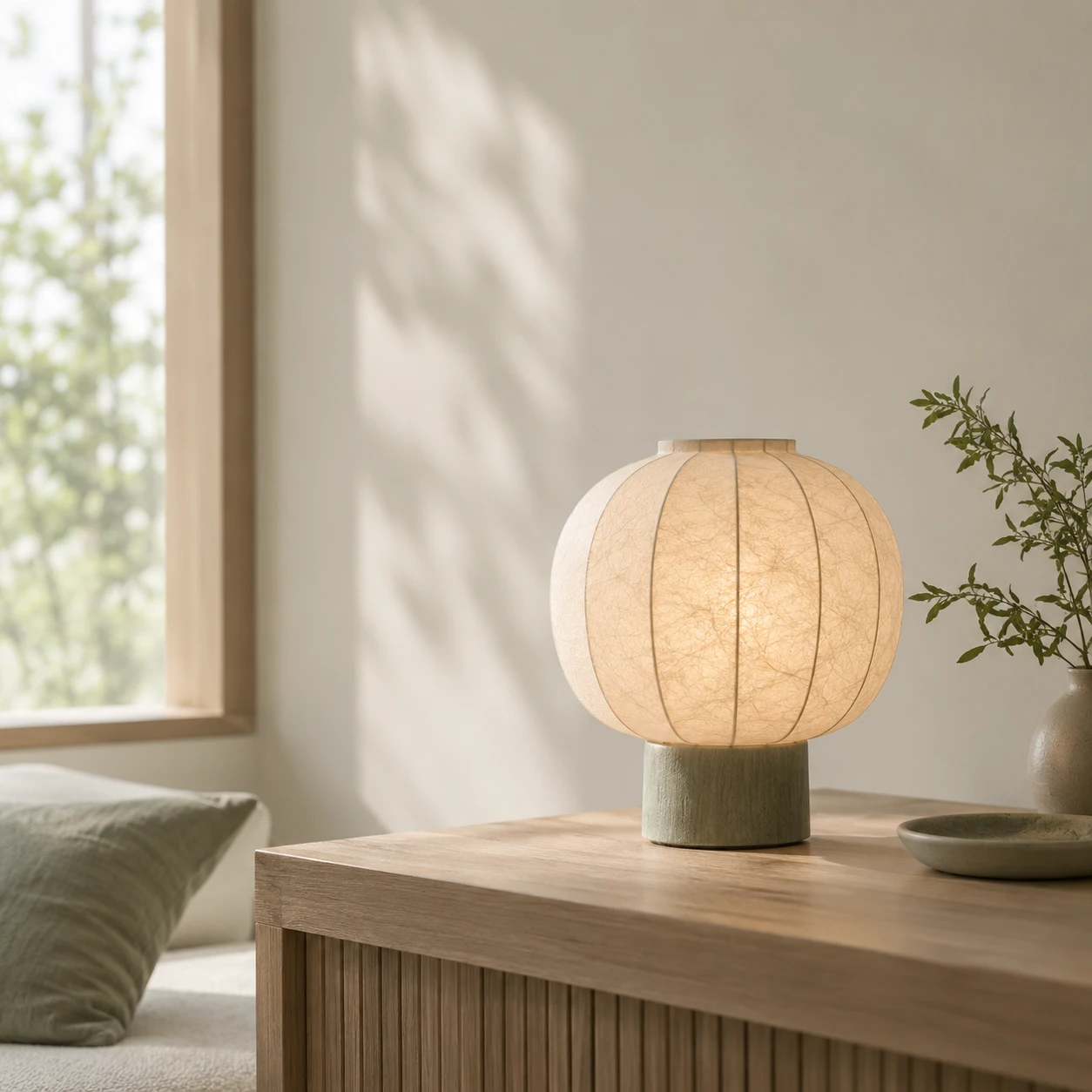 Hanji lighting study · Morning by the windowView image & prompt